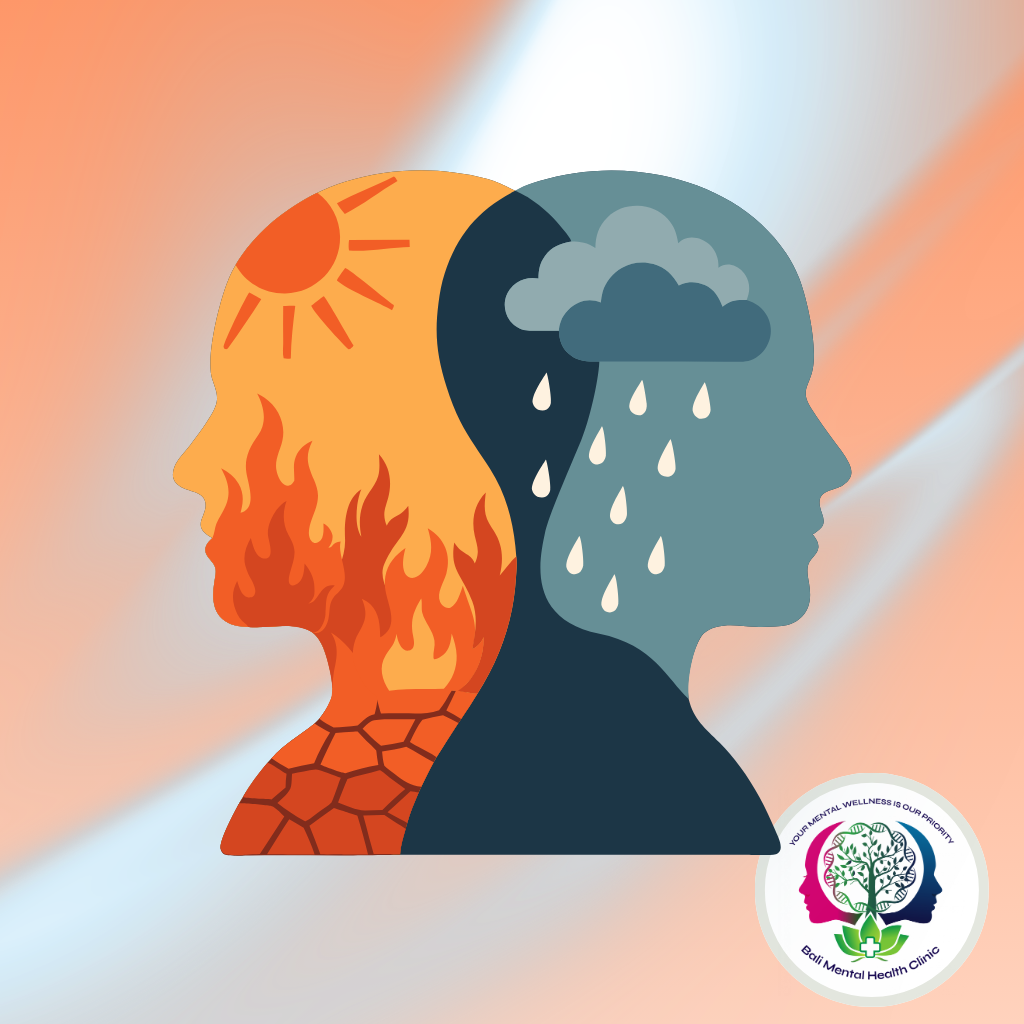
Bipolar disorder is a complex and often misunderstood mental health condition characterized by significant shifts in mood, energy, activity levels, and emotional regulation. These fluctuations—ranging from depressive lows to manic or hypomanic highs—can disrupt daily functioning, relationships, and overall quality of life.
Understanding Emotional Dysregulation in Bipolar Disorder
Emotional dysregulation is a core feature of bipolar disorder. Individuals may experience:
- Intense mood swings that feel uncontrollable
- Heightened emotional sensitivity
- Difficulty returning to baseline after emotional triggers
- Impulsive behaviors during manic phases
- Emotional withdrawal or numbness during depressive episodes
These patterns are not simply “mood changes”—they are driven by underlying neurobiological mechanisms involving neurotransmitter imbalances, circadian rhythm disruptions, and stress-response systems.
Without proper intervention, emotional dysregulation can lead to recurring episodes, functional impairment, and increased psychological burden.
Why Emotional Regulation is the Cornerstone of Bipolar Management
While medication plays a critical role in stabilizing mood, emotional regulation skills are essential for:
- Preventing relapse and mood episode recurrence
- Improving interpersonal relationships
- Enhancing self-awareness and early symptom detection
- Reducing impulsivity and high-risk behaviors
- Supporting long-term recovery and independence
A comprehensive treatment plan must therefore integrate both biological and psychological interventions.
Our Integrated Clinical Approach
We provide a structured, multi-layered treatment model designed to address emotional regulation at its core:
1. Comprehensive Psychiatric Assessment
Each patient undergoes an in-depth evaluation to identify:
- Bipolar subtype (Bipolar I, Bipolar II, Cyclothymia)
- Episode patterns and triggers
- Co-occurring conditions (e.g., anxiety, trauma, substance use)
- Functional and psychosocial impact
This allows for precise, individualized care planning.
2. Pharmacological Stabilization
Medication management is carefully tailored and may include:
- Mood stabilizers
- Atypical antipsychotics
- Adjunctive treatments for anxiety or sleep disturbances
Our clinicians prioritize balance, tolerability, and long-term safety, with continuous monitoring and adjustment.
3. Evidence-Based Psychotherapy for Emotional Regulation
Cognitive Behavioral Therapy (CBT)
Helps patients identify distorted thought patterns and replace them with more adaptive responses.
Dialectical Behavior Therapy (DBT)
A highly effective approach for emotional regulation, focusing on:
- Distress tolerance
- Emotional awareness
- Interpersonal effectiveness
- Mindfulness practices
Interpersonal and Social Rhythm Therapy (IPSRT)
Targets daily routine stabilization, particularly sleep-wake cycles, which are critical in bipolar disorder management.
4. Trauma-Informed Care & Hypnotherapy Support
In many cases, unresolved psychological trauma contributes to emotional instability. We incorporate:
- Trauma-focused therapy
- Clinical hypnotherapy (when appropriate) to access subconscious emotional patterns
This approach supports deeper emotional processing and regulation.
5. Lifestyle and Biological Rhythm Optimization
Stability in bipolar disorder is closely linked to lifestyle consistency. Our program includes guidance on:
- Sleep hygiene and circadian rhythm regulation
- Nutritional balance
- Physical activity planning
- Stress management techniques
Even small disruptions in routine can trigger mood episodes—structured daily patterns are essential.
6. Psychoeducation and Family Involvement
We believe that informed patients—and their support systems—achieve better outcomes. Our psychoeducation programs cover:
- Early warning signs of mood episodes
- Emotional regulation techniques for daily use
- Communication strategies within families
- Crisis prevention planning
Family involvement often plays a crucial role in sustaining long-term stability.
Early Warning Signs: When to Seek Professional Help
Book a Consultation
If you or a loved one is experiencing challenges related to bipolar disorder, early intervention can significantly improve outcomes.
Contact our clinical team today to begin a structured, compassionate, and scientifically grounded journey toward emotional stability.