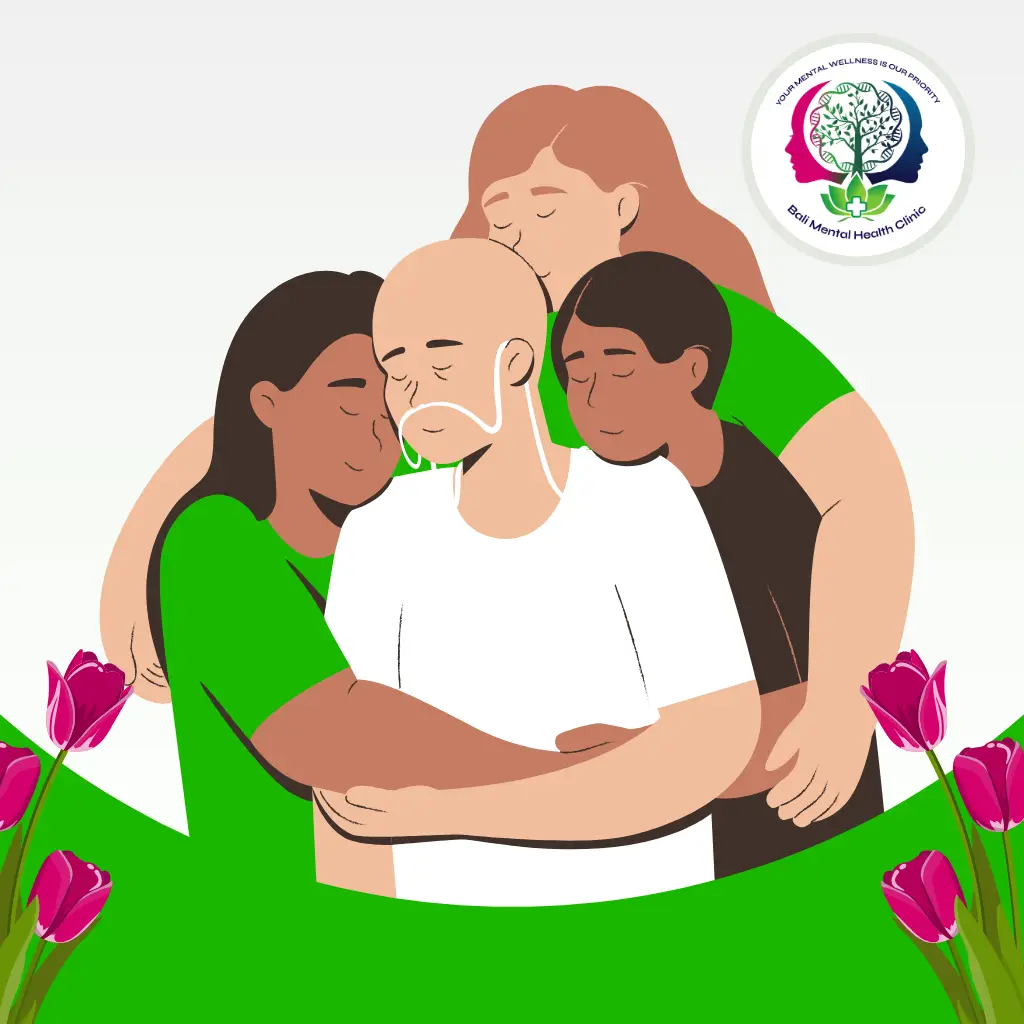
Management of Depression in Cancer Survivors
A Comprehensive, Integrated Approach to Emotional Recovery After Cancer Treatment
Understanding Depression in Cancer Survivors
Cancer survivorship is often viewed as a milestone of physical recovery. However, for many individuals, the journey does not end when treatment concludes. The emotional and psychological impact of cancer can persist, and in some cases, lead to clinically significant depression.
Depression in cancer survivors is not simply a temporary emotional response. It is a complex condition that may affect an individual’s emotional well-being, cognitive functioning, interpersonal relationships, and overall quality of life. Without appropriate care, it may also influence adherence to ongoing medical follow-up and long-term recovery outcomes.
Recognizing and addressing depression as part of comprehensive survivorship care is essential to achieving a more balanced and sustainable recovery.
Why Depression May Occur After Cancer Treatment
The experience of cancer involves multiple layers of physical and emotional challenges. Several factors may contribute to the development of depression in survivors, including:
- the psychological impact of diagnosis and treatment
- prolonged physical fatigue and reduced energy levels
- changes in body image and physical functioning
- uncertainty and fear related to recurrence
- disruption in personal, social, or professional roles
- limited access to consistent emotional support
Each individual’s experience is unique, and these factors often interact in complex ways. A thorough clinical assessment is necessary to understand the specific needs and circumstances of each patient.
Recognizing the Signs and Symptoms
Depression in cancer survivors may present with a range of emotional, cognitive, and physical symptoms. Common indicators include:
- persistent feelings of sadness or low mood
- loss of interest in previously meaningful activities
- changes in sleep patterns or appetite
- ongoing fatigue or low energy
- difficulty concentrating or making decisions
- feelings of hopelessness, worthlessness, or helplessness
When these symptoms persist for more than two weeks and begin to interfere with daily functioning, professional evaluation is strongly recommended.
A Multidisciplinary and Evidence-Based Approach
Effective management of depression in cancer survivors requires a comprehensive and integrated approach. At our clinic, care is delivered through a multidisciplinary framework that addresses both psychological and medical aspects of recovery.
Psychotherapy
Evidence-based psychotherapies, such as Cognitive Behavioral Therapy (CBT), are commonly used to help individuals:
- identify and reframe unhelpful thought patterns
- develop adaptive coping strategies
- improve emotional regulation and resilience
Psychiatric Evaluation and Pharmacotherapy
In certain cases, pharmacological treatment may be indicated. Psychiatric assessment ensures that any medication is prescribed appropriately, monitored carefully, and aligned with the individual’s overall medical condition.
Psychoeducation
Providing patients and families with a clear understanding of depression is an essential component of care. Psychoeducation helps reduce stigma, improve insight, and support active participation in the recovery process.
Stress Management and Emotional Regulation
Structured interventions, including relaxation techniques and stress management strategies, can help individuals better manage emotional responses and improve overall well-being.
Coordination with Oncology Care
Close collaboration with oncology teams ensures that mental health care is aligned with ongoing medical treatment, creating a seamless and holistic care experience.
The Importance of Support Systems
Recovery from depression is not solely an individual process. The presence of a supportive environment plays a critical role in emotional healing.
Family members, caregivers, and support networks can contribute by:
- providing emotional reassurance and understanding
- encouraging engagement in daily activities
- supporting adherence to treatment plans
- creating a stable and supportive home environment
In many cases, involvement in structured support groups can also provide a sense of connection and shared experience.
Clinical Services
BMHC offer a range of integrated mental health services tailored to the needs of cancer survivors, including:
- comprehensive psychological assessments
- individualized psychotherapy programs
- psychiatric consultations and medication management
- structured mental health support and follow-up care
Our approach is patient-centered, evidence-based, and delivered with clinical excellence and compassion. Each care plan is designed to reflect the unique needs, preferences, and goals of the individual.
Each intervention is tailored with professionalism and precision.
Moving Toward Holistic Recovery
True recovery extends beyond physical healing. Addressing emotional and psychological well-being is a vital component of restoring overall quality of life.
With timely intervention, professional support, and a structured treatment approach, individuals can regain a sense of balance, resilience, and meaningful engagement in daily life.
When to Seek Professional Support
If you or a loved one are experiencing persistent emotional distress following cancer treatment, seeking professional support can be an important step.
Early assessment and intervention allow for more effective management and improved long-term outcomes.